Need emergency tree removal in Wildwood?
Tell us about your tree and your home. A local provider can follow up with a written quote. No pressure and no obligation.
No obligation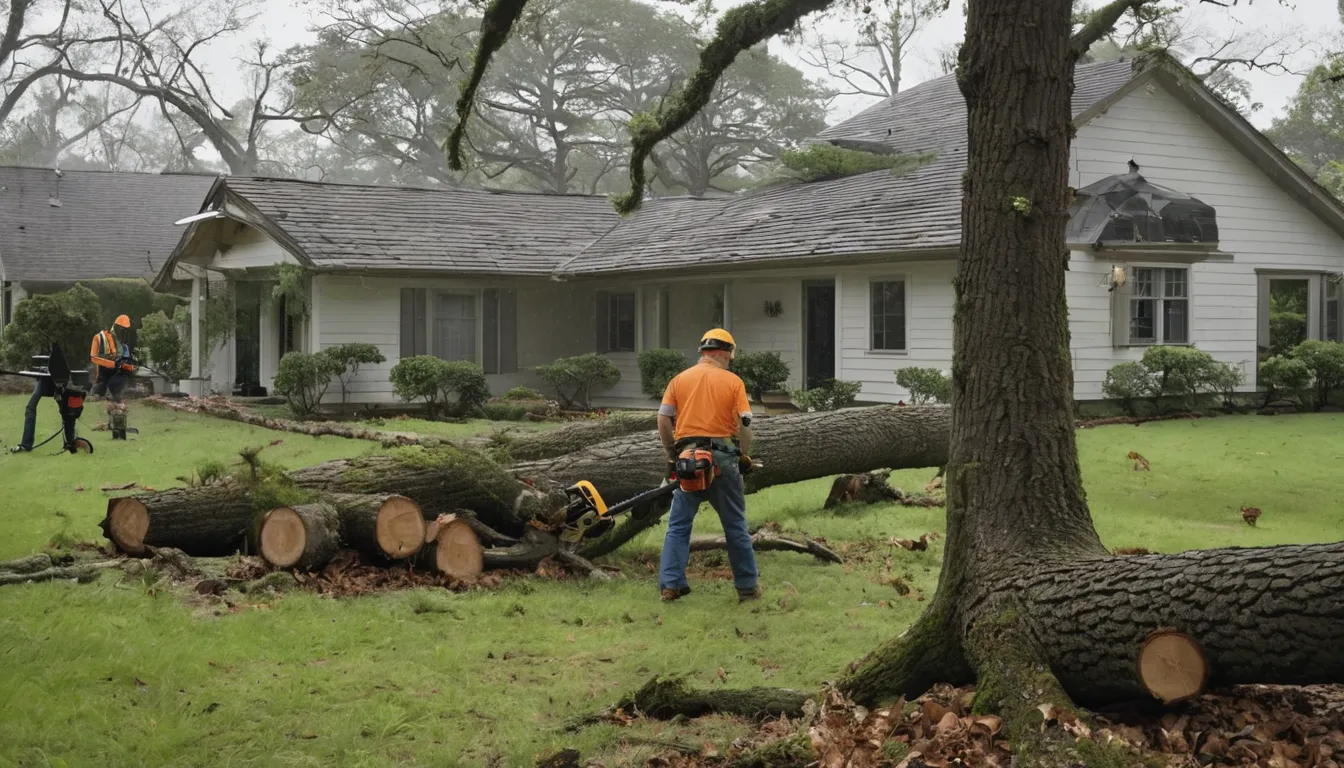
A tree on your roof, fence or driveway is stressful. Take a breath. You do not have to sort it all out alone. Kitloans Tree Service is a referral service. It connects homeowners in Wildwood and the Wildwood area with independent local providers who handle emergency tree removal after storms, wind and sudden failures.
Older homes need extra thought. Aging roofs, past repairs and hidden weak spots can change how a tree should come off. Providers in our network know this. This page walks you through staying safe, what to photograph, how the work goes and what to ask. Many providers can respond quickly, but availability varies, so ask when you reach out.
A tree has come down, or part of one has. Your heart is racing, and that is normal. Take a breath. The first job is keeping everyone safe. The second is finding a provider who can come look. Both are easier than they feel right now.
Stay indoors while the storm is still moving through. Keep children and pets away from the yard. Never walk near a tree that rests on a wire. Treat every line as live, even if your lights are out.
If a wire is down or sparking, contact your utility or local emergency line first. A provider cannot safely begin until the lines are dealt with.
Some trees can wait a little. Others cannot. These are the urgent ones:
Not sure which group yours is in? Request a callback to describe it and check provider availability.
Frame houses, bungalows and ranch homes that have stood for decades carry a lot of history. Roof decking may be thin. Old repairs may hide behind siding. A heavy limb that barely dents a new roof can crack aging rafters.
Tell the provider how old your house is. Ask how they plan to protect fragile spots. Older house, gentle plan.
Once the tree is lifted, you may spot things you could not see before. Sagging boards. Cracked flashing. A loose chimney cap. None of this is a reason to panic. Photograph it, then ask the provider to point out anything they notice while they work.
Being organized helps with estimates and any insurance talk later. If it is safe, stay on the ground and take:
Then write down the date, the weather and what happened. Keep every receipt. Notes and photos. Never climb onto a roof to get a better angle.
A tree falling service follows a calm order of steps. It helps to know them.
The provider checks how the tree is resting, where the weight sits and what it is touching. They look for lines, tension in the wood and weak parts of your structure.
Big trees rarely come off in one move. Limbs are taken first, then the trunk in sections. Some jobs use ropes or a crane to keep weight off an older roof.
Wood and branches are moved off your property or stacked, depending on your agreement. Ask what is included so there are no surprises.
A tarp over a damaged roof can keep rain out. Leave that to a roofer or the tree provider if the roof is wet or steep. Move valuables away from drips. If water reaches a full basement, keep the sump pump running and stay away from wet electrical outlets.
Some policies may cover sudden damage from a fallen tree. Check your policy to be sure. Contact your insurer yourself and ask what they need, plus how your deductible works.
Providers can often help document damage for a claim. Ask for a written estimate that lists each task on its own line. Clear paperwork makes the conversation simpler.
When a hailstorm or heavy thunderstorm hits, many neighbors need help at once. Many providers can respond quickly, yet busy stretches still bring waits. Roofs and blocked exits usually come first.
Sometimes several yards need storm tree clearance together. Providers may group nearby jobs to move faster. Spring flooding can soften soil, and deep frost in winter can crack trunks, so trees fail in more than one season.
A few quiet habits lower the risk:
Sumer heat and humid weeks stress trees too. A yearly look is kind to your home. Stump grinding can be planned later, once the emergency is over.
Take your time with these. A good provider will not rush you.
Take it one step at a time. You are doing fine.
Providers cut and clear trees that have landed on roofs, fences, cars or driveways.
Broken branches caught overhead can be taken down safely before they drop on people or property.
Wind and hail leave piles of limbs and wood. Providers help clear the yard and access.
Older roofs get extra care, with careful cutting and lifting to limit added damage.
Prices vary by tree size, access, hazards and the level of urgency. These are typical U.S. ranges only. Always get a written quote before work begins.
| Item | Typical range | Notes |
|---|---|---|
| Small tree down in yard | $300 – $900 | Easy access, no structure involved |
| Medium tree across driveway | $700 – $2,000 | Depends on trunk size and cut count |
| Large tree on roof or house | $1,500 – $5,000 | Extra care raises time and rigging |
| Crane-assisted removal | $1,500 – $4,500 | Added cost when weight must be lifted off |
| Limb and branch clearing | $250 – $1,000 | Hanging or broken limbs after wind |
| Debris haul-off | $100 – $600 | Varies by volume of wood and brush |
Stay away from the tree and any wires. Keep family and pets indoors and clear.
From the ground, photograph the tree and damage, then write down the date.
Request a callback or request an estimate, then ask about availability and the plan.
Read the written quote, ask questions, then let the provider begin.
Independent providers in our network understand thin roofs, past repairs and hidden weak spots.
You get plain steps and no pressure while you decide.
We point you to photos and notes that make estimates easier.
You are matched with independent pros who serve your area.
Tell us about your tree and your home. A local provider can follow up with a written quote. No pressure and no obligation.
No obligationGet everyone to a safe spot and stay away from any wires. Then take photos from the ground and contact a local provider. Never climb onto the roof yourself.
Some policies may cover sudden damage from a fallen tree, but coverage varies. Check your policy and contact your insurer. Providers can often help document damage with written details and photos for a claim.
Many providers can respond quickly, but timing depends on storm demand, location and the hazard. Request a callback to check provider availability, and ask when they can look at your tree and what could change that.
Tell us about your tree and your home. A local provider can follow up with a written quote. No pressure and no obligation.
No obligation